

We facilitate the operation of electric vehicles
Electromobility
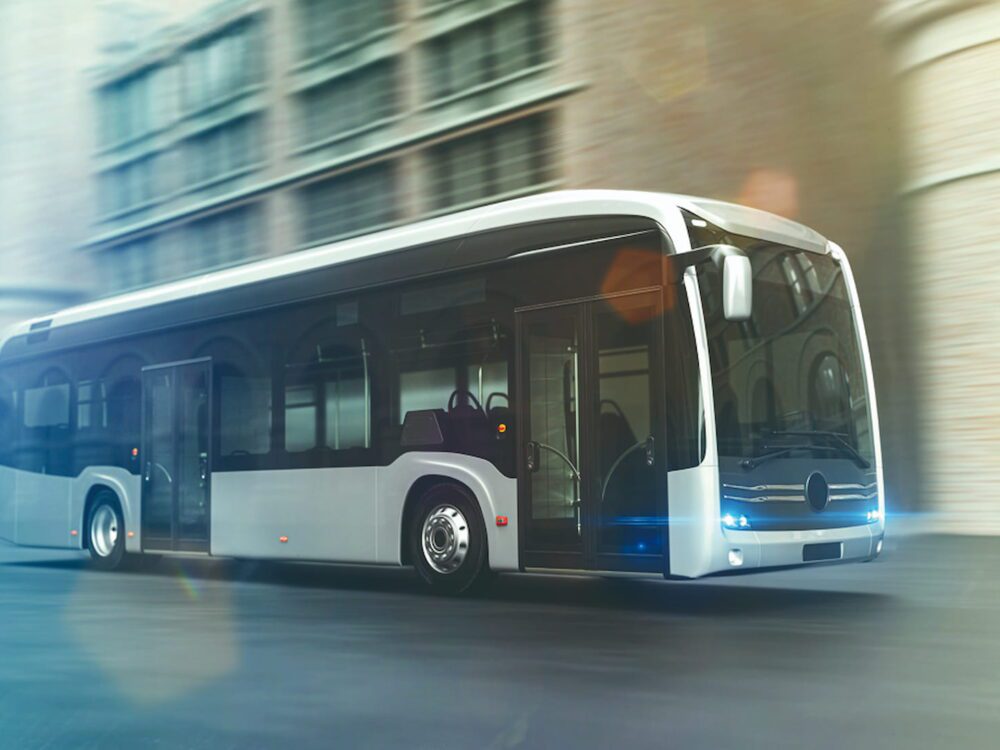
The trend towards electric mobility in public transport continues undiminished. Many transport companies have already begun to gradually convert their fleets to zero-emission powered vehicles, and some companies are even planning to operate only electric buses in their fleets.
An EU directive stipulates the procurement of low-emission vehicles for public transport, as these are an important building block on the way to climate-neutral public transport. This avoids local emissions and significantly reduces noise pollution. ebblo offers suitable software solutions that optimise the use of electric vehicles.
Solutions for the control centre
Battery buses bring new operational challenges, including coordinating charging processes and dealing with limited range.
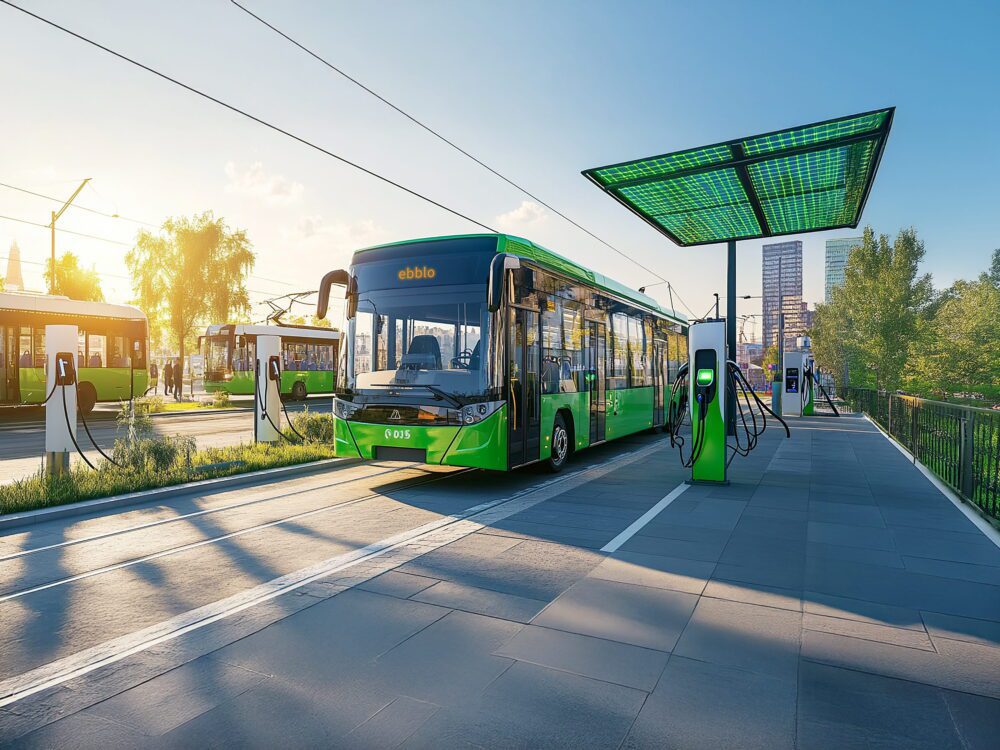
Batteries are expensive and heavy energy storage devices, so they should be as small as possible. The best solution is to recharge them during the day, either at bus stops or while driving via overhead lines. The range of an electric bus depends on numerous factors, so it varies from day to day. This is where the operations control system comes into play, ensuring that charging processes are perfectly coordinated.
Intelligent software solutions enable transport companies to master complex operational challenges and offer their passengers optimal service.
LIO-Volta: Monitoring and dispatching electric bus fleets
With its innovative LIO-Volta software solution for integrating and dispatching electric vehicles, ebblo offers a future-oriented product for efficient operational management. LIO-Volta provides transport companies with valuable support for a wide range of aspects of daily operations. The diverse functions can be used individually or in combination – depending on the needs of the respective company and its requirements.
The LIO-Volta cloud system supports dispatchers in optimally operating and monitoring an e-bus fleet according to the timetable. The solution provides suitable dispatching measures to ensure the energy balance of the vehicles even in the event of incidents.
The basis for this are the predictions of energy consumption and remaining range, which are calculated for each vehicle. The calculation is dependent on various factors:
- Vehicle
- Outside temperature
- Topography
- Passenger load level
- Speed profile
Dispatchers are informed at an early stage about insufficient remaining range and energy reserves, enabling them to intervene at any time and coordinate operations.
Product information LIO-Volta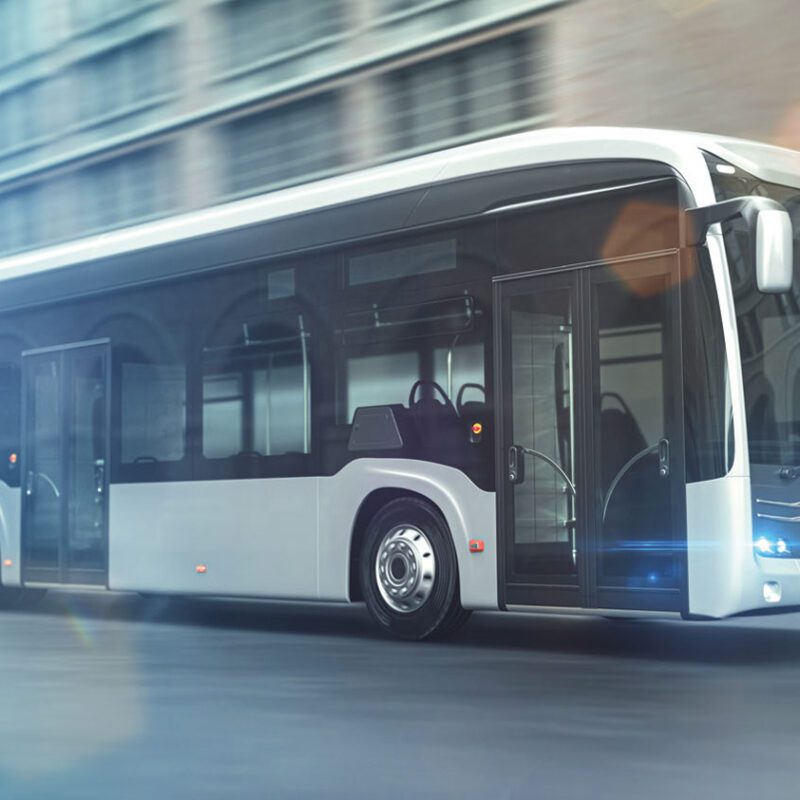
Related content


What is e-mobility in public transport?
E-mobility in public transport refers to the use of electrically powered vehicles, particularly electric buses. It supports the reduction of local emissions and noise pollution while contributing to sustainable mobility.
What operational challenges do electric buses create?
Operators must coordinate charging activities, manage energy reserves and account for varying vehicle ranges. These factors make intelligent fleet management essential.
What is LIO-Volta?
LIO-Volta is a cloud-based solution designed to monitor and dispatch electric bus fleets. It supports efficient fleet operations by providing energy and range forecasts.
How does LIO-Volta support dispatchers?
The platform calculates energy consumption and remaining range forecasts for individual vehicles. It alerts dispatchers early when energy reserves become critical.
Who can benefit from this solution?
Public transport operators using electric buses can use the solution to improve operational reliability and fleet efficiency.
Ready for what’s next?
Transform your public transport operations with innovation engineered for change.